How to Choose the Right Local Damage Restoration Company
When a home or business experiences unexpected water, fire, mold, smoke, or biohazard damage, the immediate priority is restoring safety, structure, and livability. These situations often occur suddenly, leaving property owners feeling overwhelmed and unsure where to turn for assistance. Finding reliable, qualified professionals is essential because damage tends to spread or worsen when it is not addressed quickly. Working with a company that specializes in emergency cleanup, mitigation, and restoration can significantly reduce long-term costs and prevent avoidable complications. For many property owners, the best approach begins with identifying trustworthy local damage restoration services that are equipped to assess the situation, provide a clear plan, and begin work promptly.
Choosing a restoration company is not simply about response time. The emotional and financial stakes associated with property damage require a contractor that operates with transparency, certification, and proven experience across a range of complex cleanup scenarios. Whether the situation involves water intrusion, mold growth, fire residues, structural deterioration, or hazardous materials, restoration requires careful planning and precise execution. The following sections explain how to evaluate local damage restoration companies, what to look for in their service offerings, and how to make an informed decision during stressful circumstances.
Understanding the Scope of Damage
The first step in selecting a restoration provider is understanding the nature and severity of the damage. Restoration companies often offer specialized services such as emergency water mitigation, mold remediation, smoke remediation, fire remediation, trauma cleanup, and biohazard cleanup. Each of these situations requires a different set of tools, safety procedures, and expertise. When contacting a provider, ask whether they perform a full inspection before offering an estimate. Companies that provide pricing without conducting an inspection may overlook hidden damage, which can lead to incomplete repairs or increased final costs.
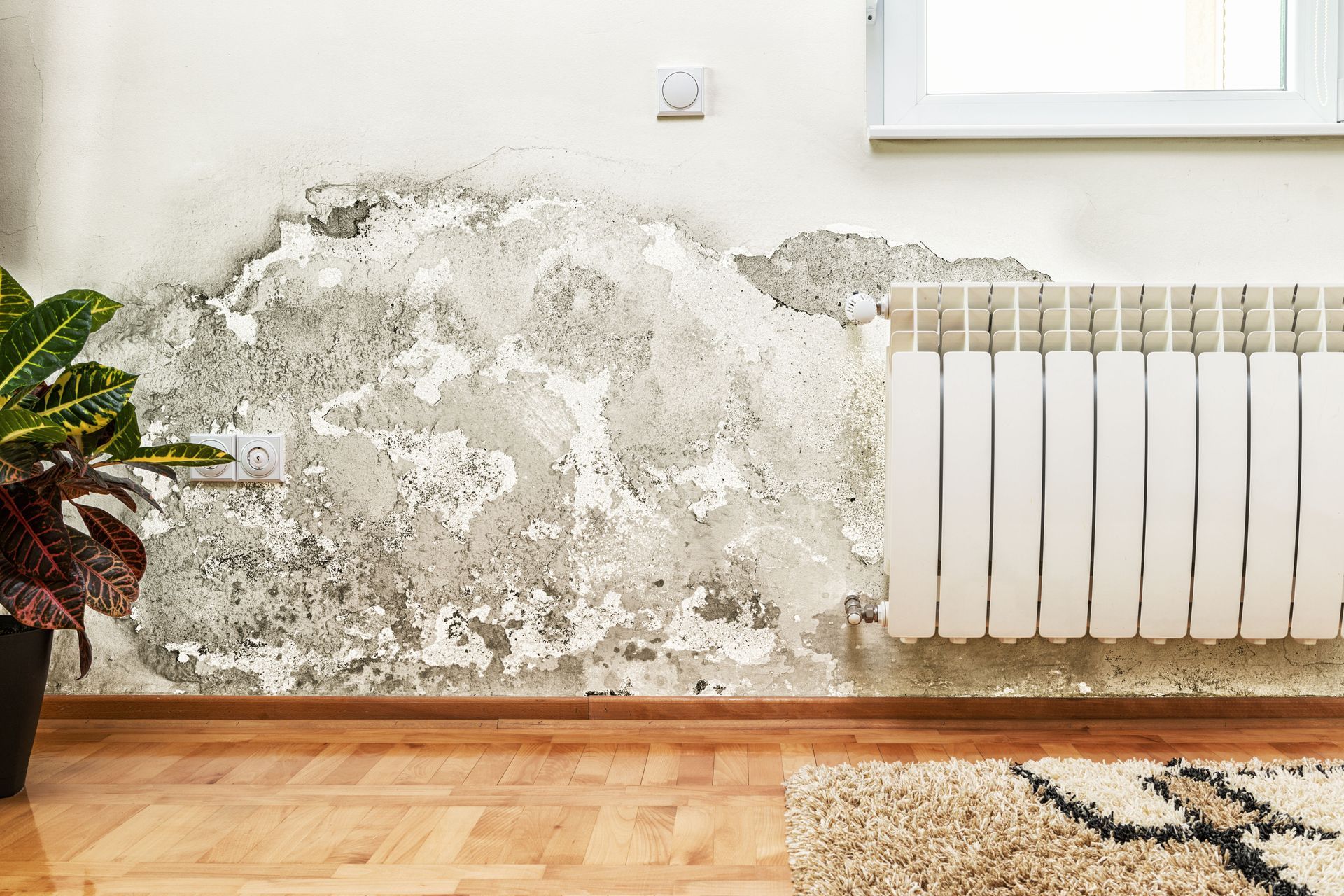
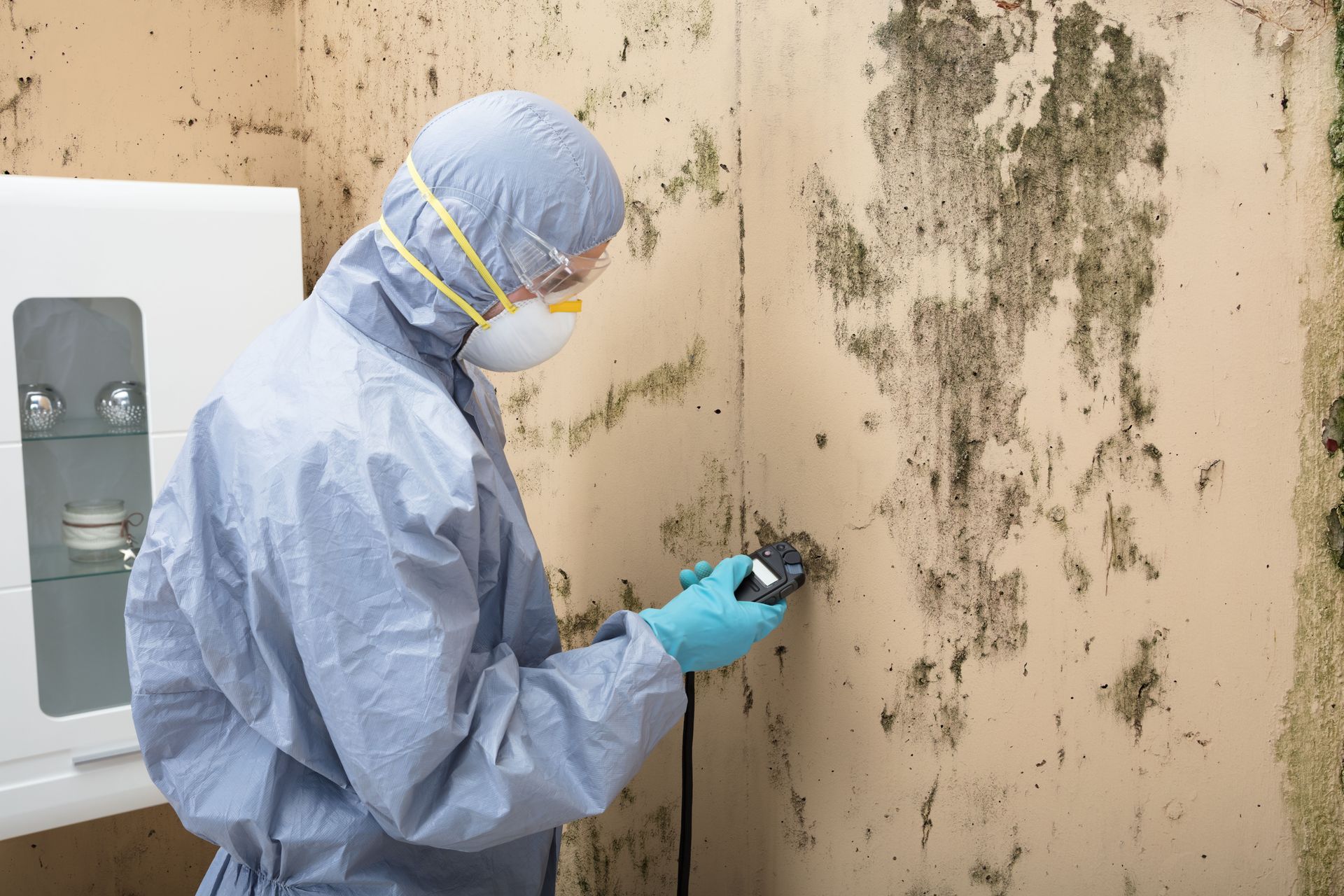
In many cases, damage involves multiple overlapping issues. For example, water from firefighting efforts can lead to mold growth if structural elements remain damp. Similarly, smoke and soot residues often spread far beyond the area of the fire. A company with experience in integrated restoration is better able to trace hidden issues, protect materials that are salvageable, and remove hazards that could impact health. One useful indicator is whether the company documents the condition of the property using moisture meters, photographs, and written assessments. This documentation helps guide the restoration plan and ensures that insurance providers have accurate records.
During this stage, it is often beneficial to choose local damage restoration services that understand regional building materials, environmental conditions, and common sources of property damage. Their familiarity with local housing styles and climate patterns allows them to make more accurate recommendations and identify risks that may not be obvious to national providers or general contractors. The goal is to find a company that sees the full picture, communicates clearly, and prioritizes long-term safety rather than short-term fixes.
Evaluating Service Response and Availability
After determining the type of restoration needed, the next step is evaluating how quickly a company can respond. Damage events such as household flooding, roof leaks, storm intrusion, and active mold growth worsen rapidly when not addressed. Water can begin deteriorating building materials within hours, and mold can begin forming within 24 to 48 hours in damp environments. A company that provides 24/7 emergency response is often better equipped to prevent secondary damage and minimize overall repair costs.
Response time also indicates a company’s operational capacity. A local damage restoration company with well-organized teams and established procedures can mobilize equipment, containment materials, and specialized tools without delay. This is especially important for mold remediation, where controlling the environment is critical to preventing spores from spreading. According to Grand View Research, drywall surfaces make up roughly 35.7% of all mold remediation projects. Because drywall absorbs moisture easily and deteriorates quickly, a prompt and structured response is vital.
When evaluating a local damage restoration company’s availability, ask whether they offer on-site estimates, how long it typically takes to begin work after assessment, and whether they coordinate with insurance providers. Companies that assist with documentation, claims communication, and adjuster coordination can significantly reduce the administrative burden on property owners. Additionally, inquire about how they handle large-scale events, such as regional storms or community-wide flooding. If a company has a clear strategy for managing high-demand scenarios, it is more likely to remain reliable during peak emergency conditions.
Ask whether the company can begin mitigation immediately upon arrival, as waiting for equipment or scheduling delays can increase damage.
Reviewing Certifications, Safety Standards, and Expertise
Restoration work involves technical skills and safety considerations that go beyond general handyman or construction services. Look for companies that employ certified technicians trained through organizations such as the Institute of Inspection, Cleaning, and Restoration Certification. Certifications demonstrate knowledge of industry best practices, including moisture removal, decontamination procedures, controlled demolition, odor removal, and material restoration.
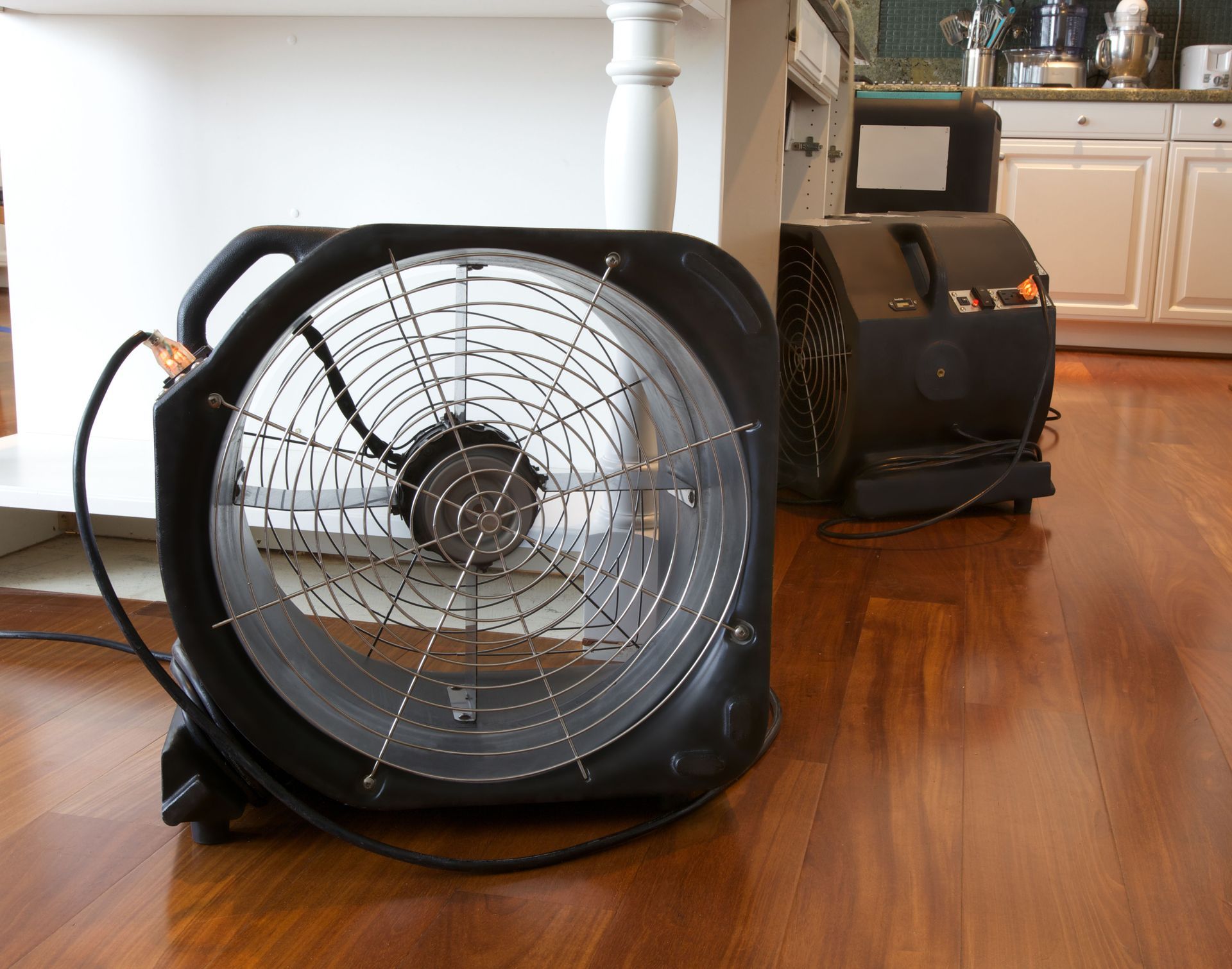
In addition to certification, ask whether the company uses standardized safety gear, containment barriers, HEPA filtration systems, and commercial-grade dehumidifiers or air scrubbers when needed. For trauma or biohazard cleanup, proper sanitization and regulated disposal procedures are critical to preventing contamination. Companies that follow Occupational Safety and Health Administration (OSHA) guidelines and Environmental Protection Agency (EPA) recommendations are generally more reliable and accountable.
Experience matters as well. A company that has successfully managed a range of restoration scenarios is more likely to recognize hidden complications and prevent future issues. Request examples of past projects, customer testimonials, or before-and-after documentation. Transparent companies are typically willing to explain their methods and walk clients through each step of the restoration process.
Comparing Estimates and Project Transparency
Once you have narrowed your options, request written estimates that break down labor, equipment, materials, and projected timelines. Estimates should be as detailed as possible. Vague or overly generalized pricing may indicate a lack of planning or an attempt to conceal additional fees that may arise later.
A reliable local damage restoration company evaluates both immediate mitigation needs and necessary repairs. For example, it is not enough to remove standing water without also addressing humidity control and structural drying. Similarly, removing visible soot without inspecting HVAC systems may leave odor and residue circulating through the property. Ask how the company determines when materials must be removed versus restored. Contractors who emphasize cost-effective restoration rather than unnecessary replacement are often more skilled and trustworthy.
Transparent estimates, clear timelines, and detailed project plans help ensure that the restoration is completed efficiently, accurately, and with respect for the property and those living or working within it.
Building Long-Term Preparedness Through Prevention and Maintenance
While restoration focuses on repairing existing damage, many companies also guide in preventing future problems. After experiencing a major event, property owners often become more aware of vulnerabilities such as roof leaks, drainage issues, ventilation deficiencies, or outdated electrical infrastructure. Restoration professionals who diversify their services can provide proactive maintenance, such as moisture inspections, mold prevention treatments, or smoke odor sealing.
Prevention is especially important in environments prone to humidity, seasonal storms, heavy snowfall, or aging infrastructure. Working with a local damage restoration company that offers ongoing support helps protect the property from recurring damage. Local contractors are uniquely positioned to identify common regional risks and recommend practical solutions. This makes local restoration providers valuable not only during emergencies but also for ongoing property protection and prevention.
Prevention also includes maintaining relationships with restoration providers. Knowing who to call before an emergency occurs reduces stress and speeds up response time. Many local damage restoration companies offer emergency preparedness consultations or annual maintenance inspections. Developing a continuing partnership ensures that professionals are familiar with the property and can respond more effectively when needed. Call MGM Recovery today to schedule your restoration service.

Share On: